Why VeganMint?
Well, Vegan ‘Fresh’ was already taken. Seriously though, mint is one of my three favored ingredients I try to incorporate into food I prepare (next to basil and cilantro). Plus, it already infers ‘fresh’. After frustration thumbing through my Epicurious account, various bookmarked recipe sites, and scribbled notes on print-outs scattered throughout the house, I decided to start Vegan Mint in 2012 to help catalog my frequently cooked dishes and favorite cuisines.
After over a decade later in 2026, I decided to re-launch the site with new perspective.

How my story began
I grew up in St. Louis on meat and potatoes – casseroles, cheese in everything, dessert that came out of a box. In 1997 I left for college in Tampa, and for the first time in my life I had access to food from a dozen different cultures at once.
I also got sick. Not dramatically sick, just rundown. Foggy, exhausted, couldn’t shake it for weeks. Nobody could tell me why.
Then a nutritionist named Deanna Latson came to speak at my school. She talked about the biology of digestion, how much energy it actually takes your body to break certain foods down, and what happens when you’re sensitive to something and eating it three times a day. In my case, that was dairy. She told me about her own mentor, Roe Gallo, and about watching her father get off a shelf full of prescriptions by changing what was on his plate.
I cut dairy and red meat that week.
I felt better in three days. Not slightly better…I spent the rest of college running circles around classmates who were sleeping twice as much as I was. That’s when the switch flipped for me, and it flipped on the science side, not the ethics side. I wanted to know why it worked.
I’ve been chasing that question for 25+ years.
Where I am now — honestly
Here’s the part most blogs won’t tell you.
I didn’t go plant-based overnight. Dairy and red meat went in 1997. Chicken didn’t go until 2008. I still eat fish, though less every year, and I’m working my way out of it.
25+ years, and I’m still finishing the job.
I tell you that because I think it’s the most useful thing I know. The all-or-nothing framing is what makes people quit before they start — and it’s the reason a lot of this movement gets a bad reputation it doesn’t deserve. You don’t need a conversion story. You need guardrails and a direction.
The certification
In 2026 I completed the Whole Food Plant-Based Nutrition Certificate through the T. Colin Campbell Center for Nutrition Studies.

It changed what this site is about. The old VeganMint was about swaps – showing people they could still have the comfort food they grew up with, made without animal products. That mattered, and I’m glad I did it.
But a vegan cookie is still a cookie. The evidence isn’t really about animal versus plant. It’s about whole versus processed – and that’s a much bigger conversation that is starting to take place in the food industry.
What VeganMint is now
This site started around 2012, before “influencer” was a job. I built it because I knew SEO and I knew I could get real nutrition information in front of people who were searching for it. It ran for about four years. Then my day job ate my life, and it went quiet.
I’m bringing it back for a different reason.
I watch friends my age with parents who are sick, and diet is the last thing anyone brings up – usually the very last, long after the prescriptions. Meanwhile the actual research keeps pointing the same direction, and more physicians are finally starting to say it out loud.
So VeganMint is a judgment-free zone with a point of view. Come as you are. Eat mostly whole foods; legumes, leafy greens, fruit, vegetables, whole grains. Make the best call you can with what’s in front of you today. Then make a slightly better one tomorrow.
You wouldn’t put regular gas in a car you spent eighty thousand dollars on. You’ve got one body, and there’s no trading it in.
VeganMint is grounded in the belief that wellness is personal, flexible, and deeply human. For some people, that means going fully plant-based. For others, it means crowding out – not cutting out – certain foods. For many, it starts with awareness, not perfection.
This platform is about progress over performance.
It’s about learning how food, movement, and mindset intersect over time – not just during a 30-day reset. It’s about aging with energy, building habits that don’t collapse under pressure, and finding a version of “healthy” that fits your actual life.
As VeganMint evolves, I’ll be documenting my own continued education through respected nutrition and wellness programs, sharing what I learn in plain language, and translating science into everyday decisions you can actually use.
No extremes. No absolutism. Just tools, perspective, and encouragement.
Everyone is welcome here – exactly as they are.
To future health and wellness,

A few things about me
I cook. It’s how I get off the computer after fifty-hour weeks — hands busy, screen off. I cook for my partner, and for friends on weekends.
I’m still in Tampa, still hunting down the best raw and vegan spots here and everywhere I travel.
And I still get most excited about the same thing that hooked me in 1997: the mechanism. Why it works.
Since 1997 — but in stages. Dairy and red meat went first, chicken in 2008, and I’m still phasing out fish. I’m not going to pretend it was a single dramatic decision, because for almost nobody is it.
No. And the research doesn’t say you do. The most consistent finding across the literature is a dose-response relationship: more whole plant foods, better outcomes. That’s a dial, not a switch.
It’s the question I get most and the one the evidence is least worried about. Lentils, chickpeas, black beans, tofu, tempeh, and whole grains all carry protein, and the Academy of Nutrition and Dietetics has affirmed that well-planned plant-based diets are adequate at every life stage.
Extracted seed oils — including olive oil — are the thing I’ve cut hardest since the T. Colin Campbell certification. Whole nuts and seeds are a different story and stay on my plate.
Indeed it’s a tough learning curve when you’ve always sautéed veggies with oil. Start subbing out cooking food with oil (using vegetable broth) and you’ll notice a significant difference.
Rice, oats, dried beans, and lentils are among the cheapest calories in any grocery store. The expensive part of plant-based eating is the packaged stuff, which is also the part you need least.
“Let food be thy medicine and medicine be thy food.”
~ Hippocrates
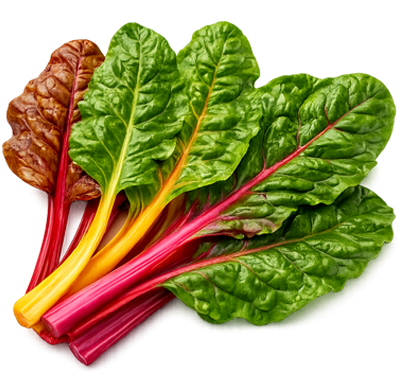
Micronutrients
Vitamins & minerals derived from a diverse intake of colorful fruits, vegetables, and leafy greens.
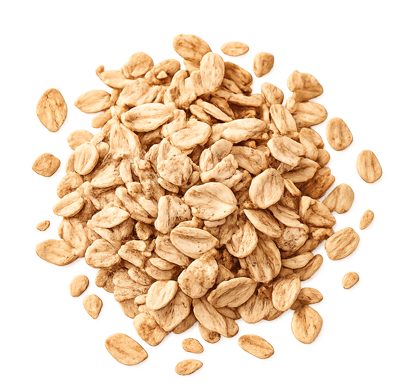
Macronutrients
Protein, complex carbs, and healthy fats with focus on unrefined sources (beans, lentils, whole grains, nuts, and seeds).
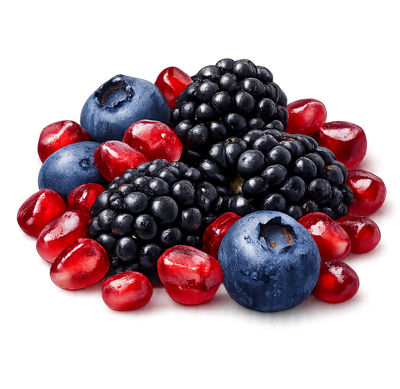
Phytonutrients & Fiber
“Non-nutrients” (such as antioxidants, flavonoids, and phytosterols) that protect the body at a cellular level and feed the microbiome.
Latest guides
How Not to Die
In celebration of the 10th anniversary of the publication of How Not to Die, a documentary about Dr. Michael Greger's life and work.
The Need to Grow
Rosario Dawson’s award-winning film, The Need To GROW, highlights these life-giving solutions that have the power to save our food system.

Latest articles

Stress, Sleep & Hormones: The Plant-Based Approach to Hormonal Balance
Covering cortisol and adrenal health, phytoestrogens, magnesium-rich foods for sleep, & adaptogens; learn how a whole food plant-based diet supports your hormones, sleep, and stress response.
Continue reading

The Best Longevity Drinks Compared: AG1, Tmrw, ZOE & Blueprint
A side-by-side look at six popular longevity and greens drinks: ingredients, 2026 prices, and how much of the science is actually proven. Includes AG1 experience and a checklist to run by your clinician.
Continue reading

What Research Says About Plant-Based Diets & Breast Cancer Risk
Review epidemiological studies and the growing evidence linking a whole food plant-based diet to reduced breast cancer risk.
Continue reading